Knurl
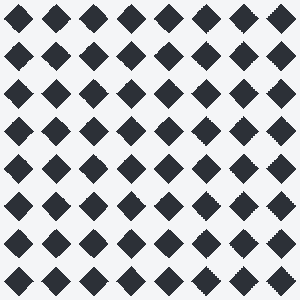
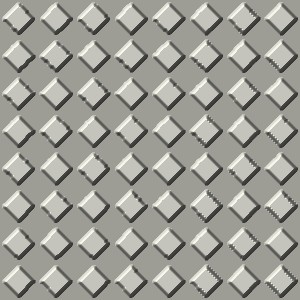
Diamond knurling, like a thumbscrew or a knob. Pitch 1 to 2 mm on a knob, 3 mm or more for gloved hands. Lean sets the diamond: 45 degrees gives squares.
Shown at pitch 3 mm, groove 0.6 mm, depth 0.8 mm
Tool · Tools tab
The Texture tool covers a face with a pattern: knurling, honeycomb, brick, roof tiles, planks, siding, rubble wall, coursed wall, bark and wood grain. Lay it flat on a face, around a barrel with no seam, or around the walls of a house. Fourteen patterns, flat and in 3D.
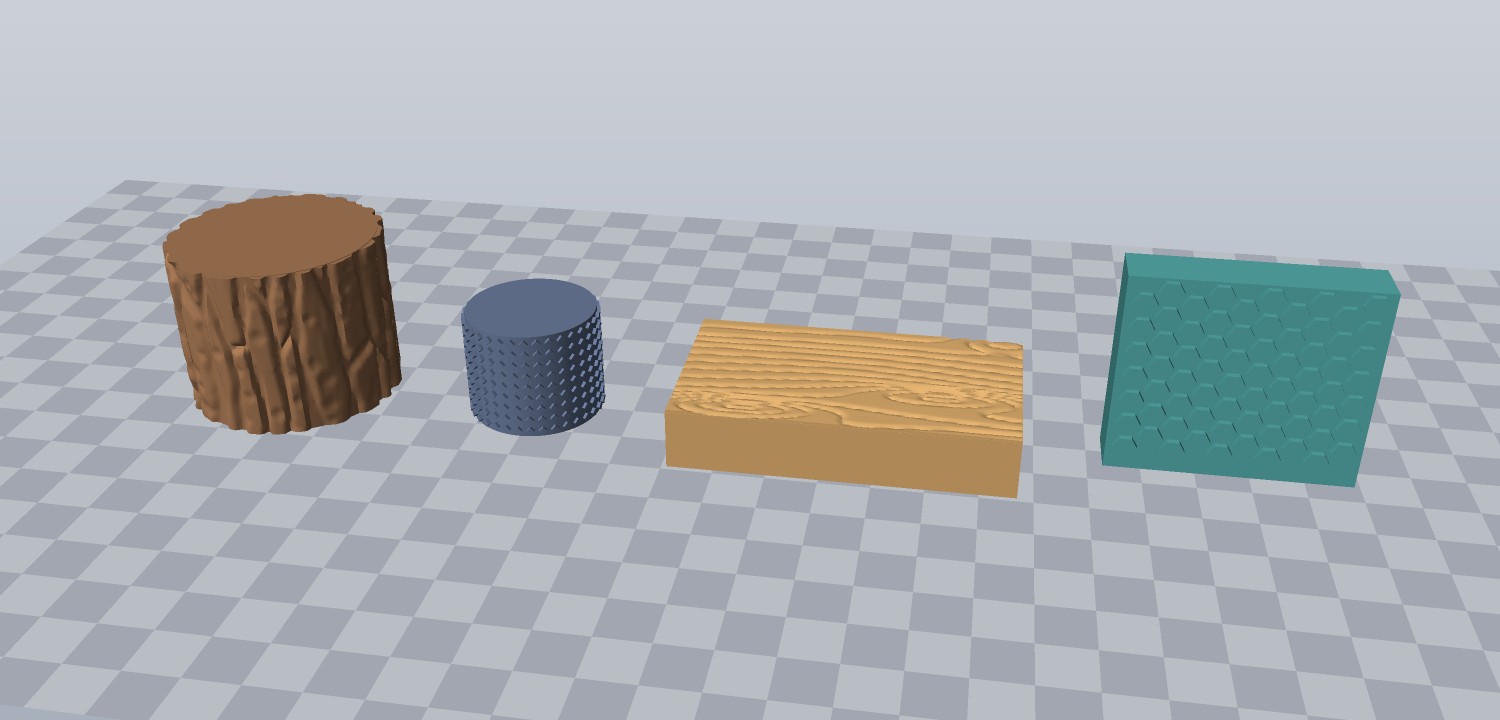
Flat patterns are made of flat shapes, raised or cut: knurling, ribs, honeycomb, dots, tread plate, brick, tiles. 3D textures have a real shape: roof tiles that lap, boards, siding, rounded stones, bark, wood grain. They are built as a relief over the face, so they can slope, round off and swirl.
Each picture pair shows the same patch. Flat is the pattern from above, dark where there is material. Relief is the same patch in 3D, lit from the upper left. The panel in the app shows both, live.
Diamond knurling, like a thumbscrew or a knob. Pitch 1 to 2 mm on a knob, 3 mm or more for gloved hands. Lean sets the diamond: 45 degrees gives squares.
Shown at pitch 3 mm, groove 0.6 mm, depth 0.8 mm
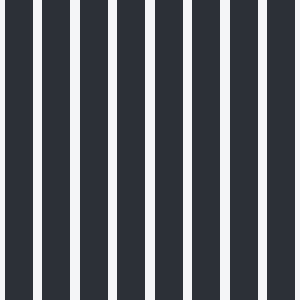
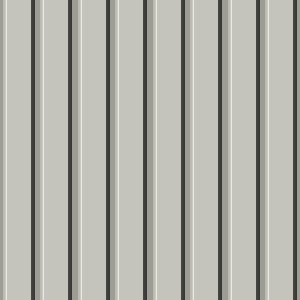
Parallel bands: straight knurling, fluting, reeding, a ribbed grip. Can run the other way.
Shown at pitch 3 mm, groove 0.8 mm, depth 0.8 mm
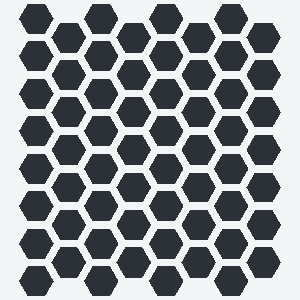
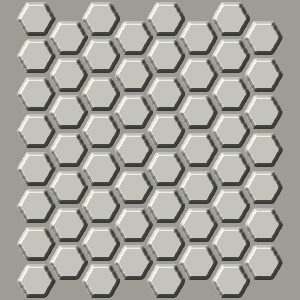
Honeycomb pads. A grip that looks made, not roughened.
Shown at pitch 4 mm, groove 0.8 mm, depth 0.8 mm
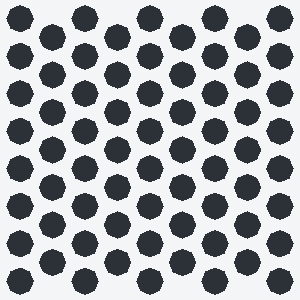
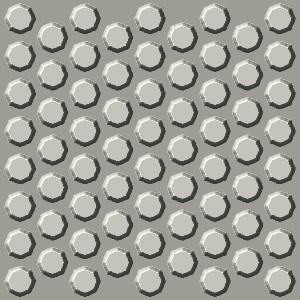
Round pips on a staggered grid, like the anti-slip pattern on a step.
Shown at pitch 3 mm, groove 0.8 mm, depth 0.8 mm
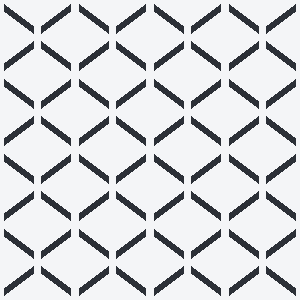
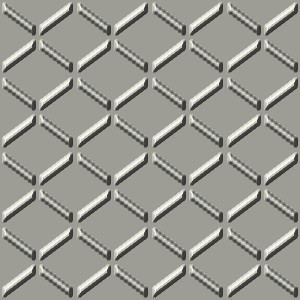
Checker plate: short bars in pairs, each pair leaning the other way.
Shown at pitch 4 mm, groove 0.8 mm, depth 0.8 mm
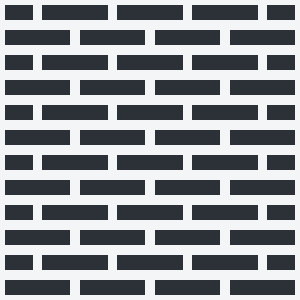
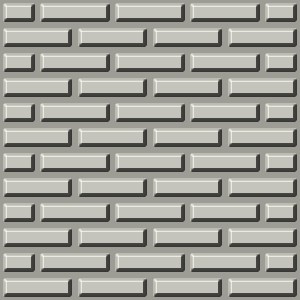
Running bond: level courses, joints staggered by half a brick. For walls with proper corner bricks, use Cladding.
Shown at pitch 6 mm, groove 0.8 mm, depth 0.8 mm
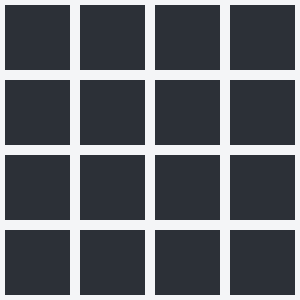
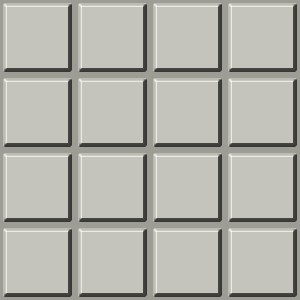
Stack bond: courses and joints both line up. Wall tiles, floor tiles, ashlar.
Shown at pitch 6 mm, groove 0.8 mm, depth 0.8 mm
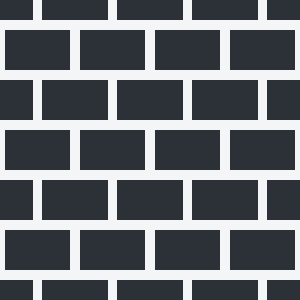
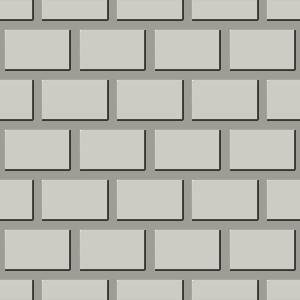
Tiles that lap over the course below, with a heavy joint where they overlap. Slope sets the lap. Tilt: Roll lifts each tile’s tail, as on a roof.
Shown at pitch 6 mm, groove 0.8 mm, depth 0.8 mm
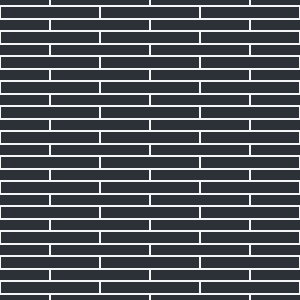
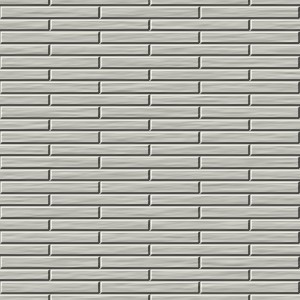
Long boards with the end joints staggered, and grain worked into each board. Pitch is the length of a board.
Shown at pitch 30 mm, groove 0.6 mm, depth 0.6 mm


Lap siding: boards the whole way across, each sloping out and stepping back. The groove is 0 to begin with.
Shown at pitch 4 mm, groove 0 mm, depth 0.8 mm
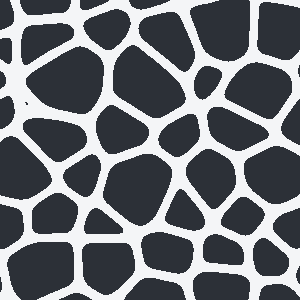
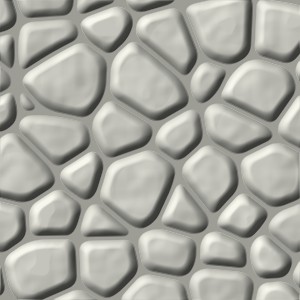
Rounded stones of every size and shape in mortar. A field wall, a cottage. Pitch is the width of a stone.
Shown at pitch 8 mm, groove 0.6 mm, depth 1 mm
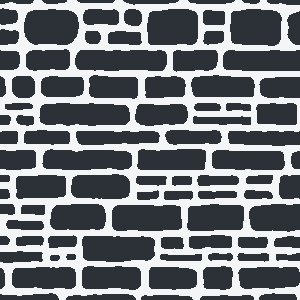
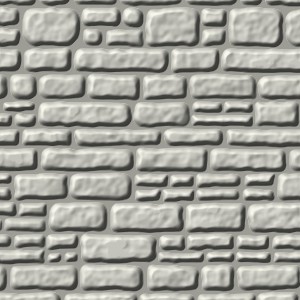
Squared, rock-faced stones in courses of uneven height. Each stone has its own length, and some are split in two thin ones.
Shown at pitch 10 mm, groove 0.6 mm, depth 1 mm
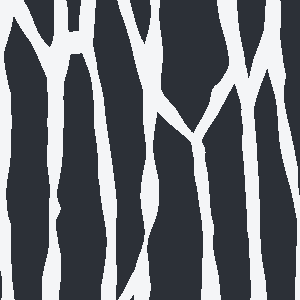
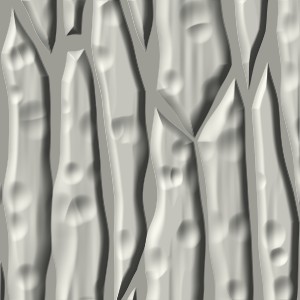
Long plates split by deep, wandering fissures, streaked and pitted. Pitch is the width of a plate. Can run either way.
Shown at pitch 6 mm, groove 1 mm, depth 1.2 mm
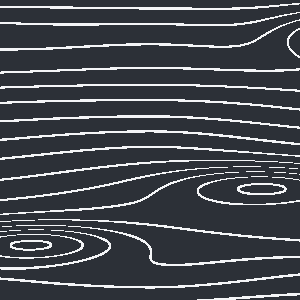
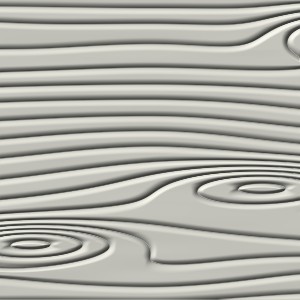
Rounded bands between fine grooves, swirling around knots. Pitch is the gap between the lines. Can run either way.
Shown at pitch 3 mm, groove 0.6 mm, depth 0.6 mm
Flat on the face you clicked. Works on every pattern.
Bent around a barrel, a ring or a cup. Rubble, coursed wall, bark and wood grain go all the way around as one closed ring, with no seam. The flat patterns wrap with no seam too.
Over a ball. For the flat patterns only: the courses of a 3D texture would lap themselves away from the equator.
Around the walls of a box, a house or a tower, as one strip that turns the corners. The pattern carries on where two walls meet. For walls with built corners, use Cladding.
Center to center of one cell and the next, or the length of a brick, tile or board. For rubble the width of a stone, for coursed wall its length, for bark the width of a plate, for wood grain the gap between the lines.
The gap between cells, bricks or stones, or the fissure in bark. At least 0.4 mm, one nozzle width: a narrower gap closes up as it prints. Siding, rubble, coursed wall and bark can have none (0).
For knurling: how far the grooves lean. 45 degrees is the square diamond of a knurling wheel.
How many times longer each piece is than it is deep. A brick is about 3, a wall tile 1, a roof tile 1.5, a floorboard 8 or more, rubble 1.3, coursed wall 2.2, a plate of bark 6.
For roof tiles and siding: how far each piece tilts. 4 degrees reads as a lapped roof at model size. Roll lifts each tile’s tail over the course below. Pitch lifts one end.
How far the pattern stands out of the face, or how deep it is cut. 0.4 to 1 mm is usual.
Turns ribs, bark and wood grain the other way. Brick, tile and stone courses always stay level.
Where the pattern sits on the face. Across and Up slide it, Turn rotates it by any angle. The handles on the face do the same.
Makes the pattern a separate object, so you can print it in a second filament.
Cladding: walls with built corners → · Download 3DFastCraft, free